Features
Description
The **Jazz and Blues Market in New Orleans** is deeply rooted in the city’s cultural identity, shaped by generations of musicians, clubs, festivals, and neighborhood traditions. New Orleans is widely recognized as the birthplace of jazz, and that legacy continues to drive a vibrant, living market where jazz and blues are not museum pieces but everyday experiences. From traditional jazz and swing to modern jazz, brass band music, and Delta-influenced blues, the city offers a broad spectrum of sounds that appeal to locals, tourists, and serious music enthusiasts alike.
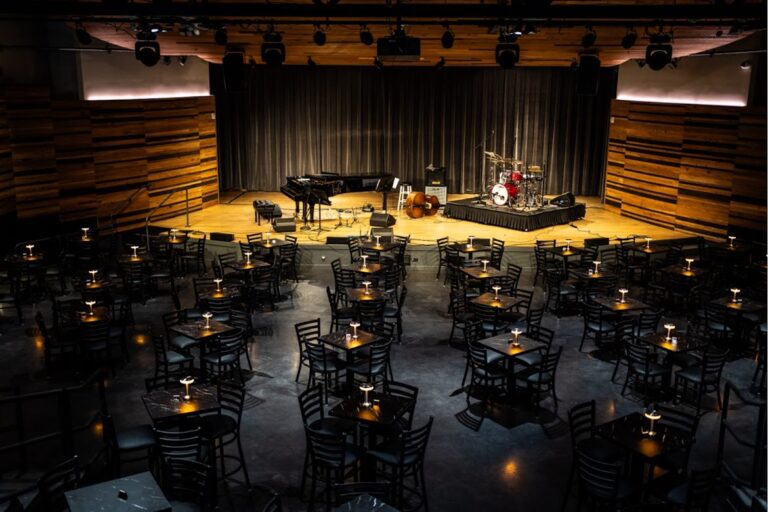
Live performance is the backbone of the jazz and blues market in New Orleans. Legendary venues such as Preservation Hall, Tipitina’s, Snug Harbor, and countless clubs along Frenchmen Street provide consistent opportunities for musicians to perform nightly. These spaces support both established artists and emerging talent, creating a steady ecosystem where music is heard live rather than consumed only through recordings. Street performances, or “busking,” further expand the market, allowing musicians to connect directly with audiences and sustain the tradition of spontaneous, accessible music-making.
Festivals play a major economic and cultural role in strengthening the jazz and blues market. Events like the New Orleans Jazz & Heritage Festival, French Quarter Festival, and Satchmo SummerFest draw international crowds and generate significant revenue for artists, venues, and local businesses. These festivals not only celebrate legendary figures and classic styles but also spotlight contemporary musicians who are pushing jazz and blues forward. The festival circuit helps preserve tradition while ensuring the music continues to evolve.
The recording and education sectors also contribute to the market’s longevity. Independent labels, local studios, and music programs—such as those connected to universities and community organizations—help train new musicians and document the city’s sound. Jazz funerals, second lines, and neighborhood jam sessions serve as both cultural rituals and informal marketplaces where musicians build reputations and connections. Together, these elements make New Orleans’ jazz and blues market not just an industry, but a living cultural economy—one that thrives on history, community, and the enduring power of live music.