What Cha Gonna Do for Me by Chaka Khan
Chaka Khan
Warner Bros. Records
BSK 3385
1981
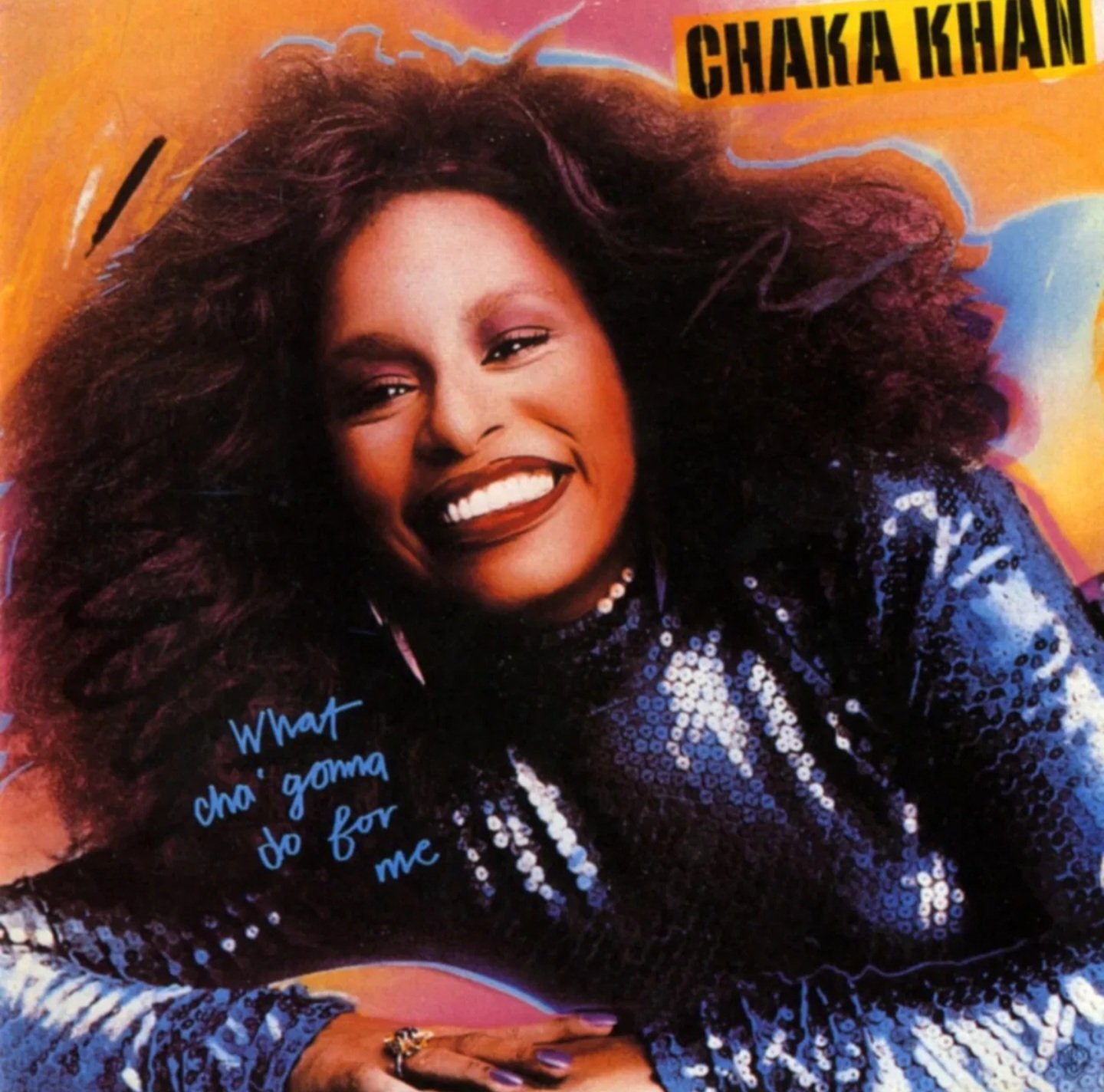
What Cha Gonna Do for Me by Chaka Khan Released in 1981 on Warner Bros. Records BSK 3385 ~AwesomeAI
What Cha’ Gonna Do for Me by Chaka Khan
What Cha’ Gonna Do for Me is the third solo studio album by American singer Chaka Khan, released in 1981 through Warner Bros. Records. The album followed the success of her earlier solo work and further established her reputation as one of the most powerful and versatile voices in R&B, funk, and soul music. Known for her bold vocal delivery, distinctive tone, and ability to blend different musical styles, Khan created an album that combined energetic funk rhythms, sophisticated jazz influences, and soulful melodies. The project reflects the musical creativity of the early 1980s, when R&B artists were experimenting with new production techniques while maintaining strong connections to traditional soul and funk.
Musically, What Cha’ Gonna Do for Me features a dynamic mixture of funk, R&B, jazz, disco, and pop. The album’s arrangements incorporate driving bass lines, lively percussion, keyboards, horns, and layered instrumental textures. Khan’s vocals remain the central attraction, moving effortlessly between powerful belting, smooth melodic phrasing, and expressive improvisation. Her performances bring both energy and emotional depth to the songs, demonstrating her ability to command upbeat dance tracks as well as more intimate, sophisticated compositions. The album also benefits from the involvement of talented musicians and producers who helped create its polished yet lively sound.
The title track, “What Cha’ Gonna Do for Me,” is one of the album’s most recognizable songs. Originally written by Ned Doheny, the song combines a funky rhythm with jazz-influenced harmonies and a memorable melody. Khan’s interpretation gives the track a confident, spirited character, showcasing her ability to transform a composition through her distinctive vocal personality. Another standout is “I Know You, I Live You,” a vibrant funk and R&B performance featuring energetic rhythms and expressive vocals. The song became a favorite among many listeners and has remained an important part of Khan’s musical catalog. Tracks such as “We Can Work It Out” further demonstrate the album’s stylistic range and her ability to reinterpret familiar material through a soulful, contemporary lens.
One of the album’s strengths is its balance between musicianship and accessibility. Rather than relying exclusively on dance-oriented production, What Cha’ Gonna Do for Me incorporates sophisticated chord progressions, jazz-inspired arrangements, and intricate rhythmic patterns. These elements give the album musical depth while preserving its appeal to mainstream R&B audiences. Khan’s background as the lead vocalist of the funk band Rufus is evident in her rhythmic precision, fearless vocal improvisation, and natural connection to the groove. At the same time, her solo performances reveal an artist capable of standing confidently at the center of complex arrangements.
Upon its release, What Cha’ Gonna Do for Me received strong critical recognition and became one of the defining albums of Khan’s early solo career. It reached the top 20 of the Billboard 200 and earned a Grammy Award nomination for Best R&B Vocal Performance, Female. The album’s title track also received Grammy recognition, reinforcing Khan’s status as a leading figure in contemporary R&B. Its combination of funk, soul, jazz, and pop influences helped demonstrate that sophisticated musicianship and commercial appeal could coexist within a single project.
Overall, What Cha’ Gonna Do for Me remains an important album in Chaka Khan’s musical legacy. It captures her at a time when her solo identity was developing beyond her earlier achievements with Rufus, showcasing her vocal power, artistic confidence, and stylistic versatility. The album’s memorable songs, rich arrangements, and strong rhythmic foundation continue to appeal to fans of classic R&B, funk, and soul. More than simply a collection of songs, it represents a period of musical innovation in which Khan helped carry the traditions of 1970s funk and soul into the evolving sound of the early 1980s.
~AI