Queen Ifrica
A.K.A. Ventrice Morgan | Fyah Muma
Sunrise: March 25, 1975
Montego Bay, Jamaica WI
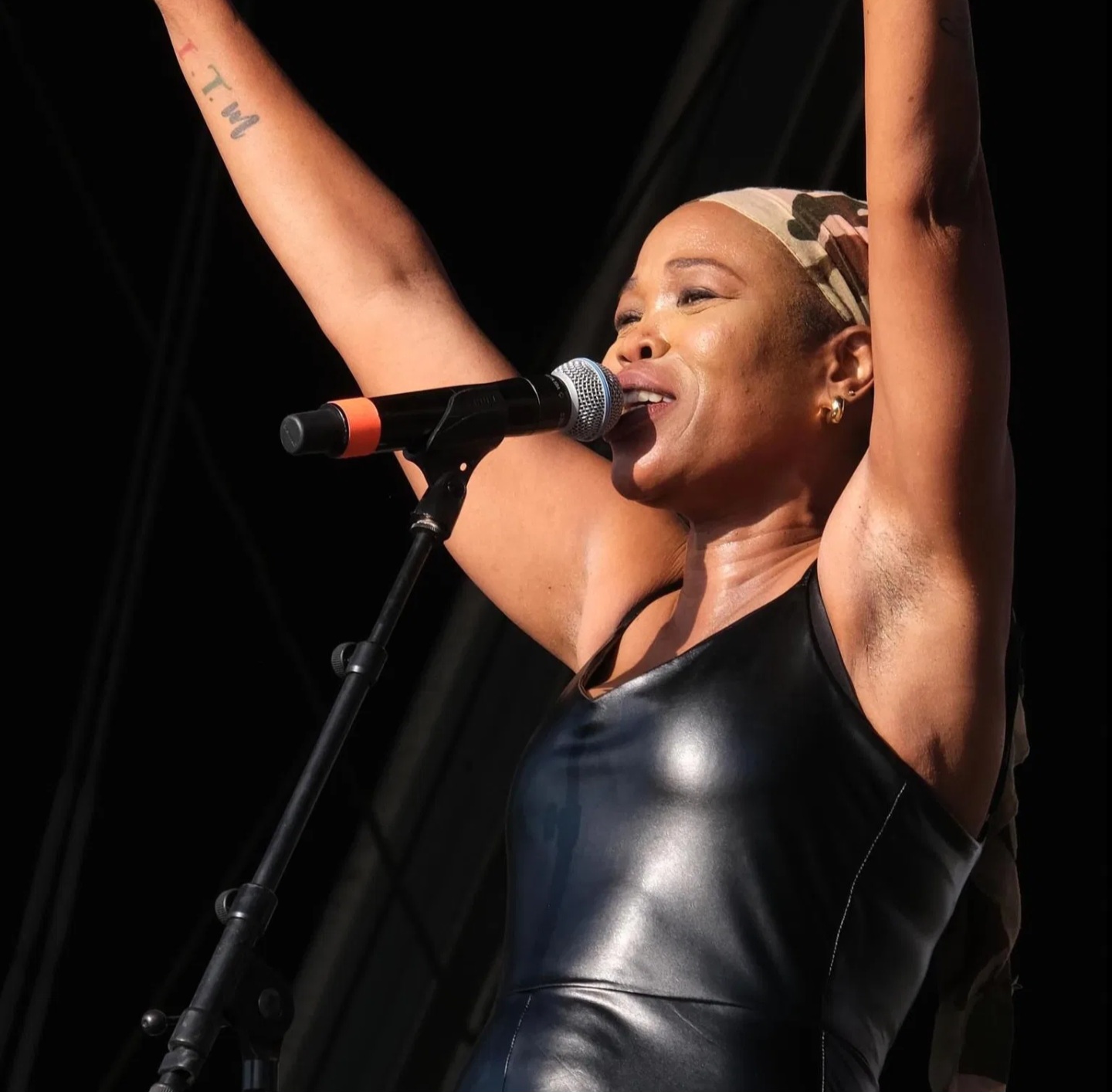
Queen Ifrica, born Ventrice Morgan, is a powerful and influential voice in modern reggae music, known for her conscious lyrics and fearless social commentary. Emerging from Jamaica’s rich cultural landscape, she is the daughter of legendary ska musician Derrick Morgan, which helped shape her early exposure to music. However, Queen Ifrica carved her own path, rising to prominence in the early 2000s with a distinct sound rooted in roots reggae and Rastafarian principles. Her stage presence and commanding voice quickly made her a standout artist in a genre deeply connected to spirituality, resistance, and cultural pride.
Queen Ifrica gained widespread recognition after her appearance at the Reggae Sumfest, where her performance captured the attention of fans and industry insiders alike. Songs like “Daddy,” “Below the Waist,” and “Serve and Protect” showcased her ability to tackle serious issues such as child abuse, systemic injustice, and community struggles. Her music often blends personal storytelling with broader social critique, making her one of reggae’s most respected conscious artists. Unlike many mainstream acts, she consistently uses her platform to uplift, educate, and provoke thought among listeners.
Throughout her career, Queen Ifrica has remained deeply connected to her Rastafarian beliefs, which influence both her music and her message. She often speaks on African heritage, repatriation, and the importance of self-awareness and cultural identity. Her albums, including *Montego Bay* and *Climb*, reflect a commitment to roots reggae traditions while addressing contemporary global issues. Her voice resonates not just in Jamaica, but across the diaspora, where her messages of empowerment and resistance continue to inspire audiences.
Beyond music, Queen Ifrica is also known for her activism and outspoken nature. She has never shied away from controversy, often addressing political and social matters head-on. This boldness has earned her both praise and criticism, but it has also solidified her reputation as an artist who stands firmly in her truth. In an era where authenticity can be rare, Queen Ifrica remains a symbol of integrity and purpose in reggae music, continuing the legacy of artists who use their voices as instruments of change.